
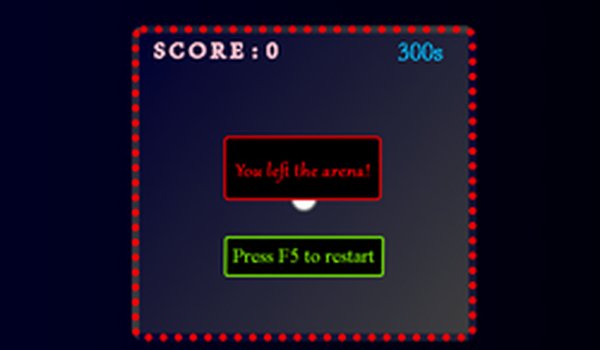
Bounce Target Arcade
Opens in a play window — no download required.
Reviews
Bounce Target Arcade succeeds by doing one thing well: precise ball movement through increasingly clever obstacle layouts. The controls are immediate and satisfying, with no lag or input delay. Stage design gradually introduces new patterns without overwhelming the player. The minimalist presentation keeps attention on the gameplay, which is exactly where it belongs. This is a game that understands its own strengths and doesn't try to be more than a focused, enjoyable arcade experience. Perfect for short sessions or longer practice runs.
Description
Core Gameplay Loop
In Bounce Target Arcade, players direct a small ball across a series of stages. Each stage presents a unique arrangement of barriers and designated targets. The objective is to reach each target while avoiding contact with obstacles that end the round. The ball responds instantly to input, creating a fluid experience where precision matters more than speed. Stages grow more complex as you progress, introducing new obstacle patterns that require careful observation and quick adjustments.
Control Scheme and Responsiveness
The game uses a straightforward keyboard layout for movement. The W, A, S, and D keys correspond to up, left, down, and right directions respectively. This familiar setup means there is no learning curve. Every press translates directly into ball movement, allowing players to focus entirely on navigating the stage. The responsiveness of the controls is a key factor in the game's appeal, as it makes each successful maneuver feel earned.
Stage Design and Variety
Stages in Bounce Target Arcade are built around the idea of increasing difficulty through environmental complexity rather than speed. Early stages feature open spaces with few obstacles, letting players get comfortable with movement. Later stages introduce tighter corridors, moving barriers, and targets placed in challenging positions. The variety comes from how these elements combine, not from visual themes or power-ups. Each stage feels like a new puzzle to solve with movement alone.
Session Structure and Pacing
Rounds are intentionally short, usually lasting a few minutes. This design supports quick bursts of play during a break or a longer session of trying to beat personal records. There is no save system or progress tracking between sessions, so each time you start, it is a fresh attempt. The lack of persistent progression keeps the focus on the immediate moment-to-moment gameplay. This approach appeals to players who want a distraction without a long-term commitment.
Accessibility and Audience
The game is built for a broad audience. Children can grasp the controls quickly, while adults will appreciate the increasing challenge. There are no complicated menus, tutorials, or settings to adjust. The simplicity of the concept means anyone can pick it up and play without instruction. This makes it a suitable choice for family settings or for introducing someone to video games for the first time. The lack of text or complex instructions also means language is not a barrier.
Visual and Audio Presentation
The visual style is clean and minimal, with bright colors that make obstacles and targets easy to distinguish. The ball leaves a subtle trail, helping players track its movement. Sound effects are limited to a soft tone when a target is hit and a different sound when an obstacle is touched. Background music is absent, keeping the focus on the gameplay. This minimalist approach ensures that the game runs smoothly on a wide range of devices without demanding high specifications.







Comments
Sign in to leave a note
You must be logged in before posting a review or rating.
No account? Create one
No comments yet. Be the first to comment!